





The Mythological Roots of Capricorn: The Dual Faces of Pan the Shepherd and Saturn, God of Agriculture
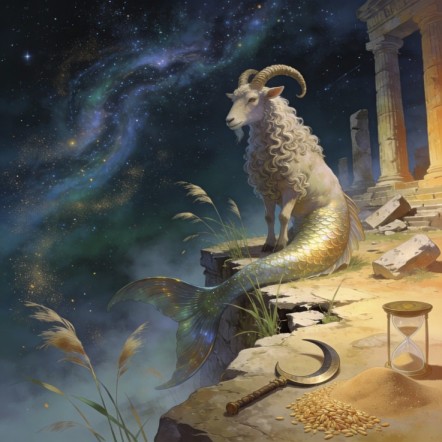
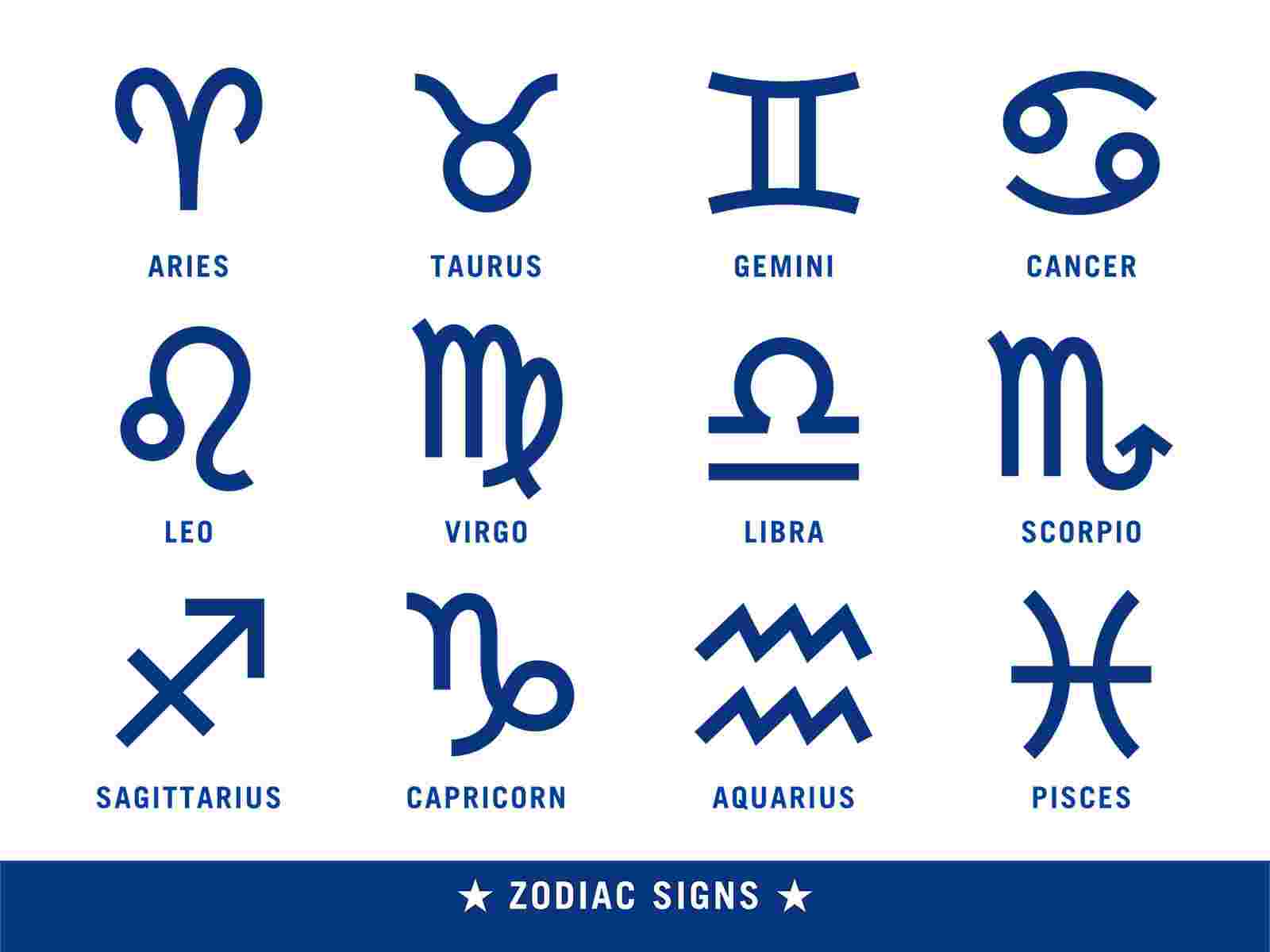
Among the vast expanse of the night sky, Capricorn shines quietly with its unique form—part goat, part fish. As the tenth sign of the zodiac, it governs those born between December 23 and January 21, symbolizing resilience, responsibility, and quiet kindness. Yet its origin weaves together two distinct yet resonant mythological tales—one from Greek lore about a tragic shepherd god, and another linking it to Saturn, the Roman deity of agriculture and time.
The Tragic Sacrifice of Pan
Legend tells of Pan, a rustic god dwelling in the valleys beneath Mount Olympus. Half-man, half-goat, with horns on his head and hooves for feet, Pan was considered rugged—even ugly—by mortal standards. Yet he possessed boundless vitality and deep passion. He fell deeply in love with Syrinx, a beautiful nymph. Terrified by his appearance, Syrinx would vanish into the woods at the mere sight of him, leaving Pan heartbroken. Unable to express his longing, he fashioned reeds by the riverbank into a set of panpipes (now known as the syrinx), pouring his unrequited love into haunting, melancholic melodies.
One day, during a grand feast of the gods, Pan’s music drifted into the heavens. Its sorrowful beauty moved the immortals so deeply that Zeus summoned him to play. As Pan played, lost in emotion, his music inadvertently angered Typhon—a monstrous being with countless faces, each mouth roaring thunderously. Crucially, Typhon also harbored secret affection for Syrinx and seethed with jealousy toward Pan. Enraged by the gods’ sympathy for the shepherd, Typhon charged toward the banquet with earth-shaking fury.
The gods scattered in panic—some transformed into birds, others into beasts, and a few simply dissolved into thin air. Pan, too, tried to flee but was delayed by his musical trance. In desperation, he leapt into a shallow stream, attempting to turn into a fish for concealment. But the water was too shallow: only his lower half transformed, leaving his upper body still goat-like. At that moment, Zeus stepped forward, wielding thunderbolts and his divine shield to confront Typhon. Witnessing his king’s bravery, Pan found sudden courage and turned to charge the monster. Alas, outmatched in strength, he was slain instantly. Fearing Zeus’s wrath, Typhon fled. To honor Pan’s loyalty and valor, Zeus placed him among the stars as Capricorn—the celestial embodiment of his incomplete metamorphosis.
Saturn: Embodiment of Time and Harvest
In Roman mythology, Capricorn is closely associated with Saturn, the god of sowing, harvest, and the passage of time. Saturn once ruled over a Golden Age—an era of peace, abundance, and effortless prosperity, where humanity lived without toil or conflict. Later astrologers linked Capricorn to Saturn (the planet named after him), endowing the sign with traits of pragmatism, discipline, and long-term vision—qualities that resonate profoundly with the collective yearning for stability and sustainable progress in 2026.
Thus, Capricorn stands not only as a starry memorial to a shepherd’s tragic love but also as a cosmic reflection of agricultural wisdom and temporal philosophy. When you gaze southwest on an autumn night and spot this steadfast constellation, remember: it whispers both of unfulfilled longing and of enduring strength—born from duty, patience, and unwavering faith in the future. 🜃